
The best time to visit Kolkata is between October and February, when the weather is cooler and drier and the city’s biggest festivals take place. Durga Puja (usually in September or October) is the highlight, and winter brings Christmas, the Kolkata Book Fair and a pleasant climate. Summers are hot and humid, and the monsoon brings heavy rain.
This guide breaks down the seasons, month-by-month expectations and a festival calendar. Festival dates follow the lunar calendar and change every year, so check the current year’s dates before booking (last checked October 2026). Temperatures given are rough ranges, not exact forecasts.
Season by season
| Season | Months | What to expect |
|---|---|---|
| Winter | November to February | Mild days, cool evenings, low humidity. Best for sightseeing and walking. |
| Spring | Late February to March | Warming up, Holi and Dol Jatra, still comfortable early on. |
| Summer | April to mid-June | Hot and humid, with occasional evening thunderstorms (Kalbaishakhi). |
| Monsoon | Mid-June to September | Frequent rain, waterlogging in some areas, lush green landscape. |
| Post-monsoon | October to early November | Humidity drops, skies clear, festival season. |
Winter: the safest choice
From late November to February, daytime temperatures are generally comfortable, often in the low to mid twenties Celsius, and nights can be cooler. It is ideal for walking tours, boat rides, trips to Shantiniketan and Bishnupur, and street-food evenings. Hotels are busiest around Christmas and New Year, so book early. Pack a light jacket for evenings.
Summer: hot and sticky
April and May can be very humid and hot, and afternoon temperatures can feel uncomfortable. If you must travel then, sightsee early in the morning and late evening, use air-conditioned transport, and carry water. Mango season and Poila Baisakh (Bengali New Year, mid-April) bring cultural events and food specials, so summer is not a total write-off.
Monsoon: lush but unpredictable
Heavy rain can slow traffic and flood streets for a short time. Rains give the city a fresh look, and many people enjoy telebhaja and tea at this time. Pack an umbrella or raincoat, waterproof footwear and plan indoor options such as museums, cafes and the Indian Museum. Rath Yatra usually falls in June or July.
Festival calendar (approximate)
| Festival | Usual time | What happens |
|---|---|---|
| Durga Puja | September or October (date varies yearly) | Community pandals, idols, art, food and street crowds across the city; recognised by UNESCO as intangible cultural heritage in 2021. |
| Kali Puja and Diwali | October or November | Lights, fireworks, Kali worship at Kalighat and Dakshineswar. |
| Jagaddhatri Puja | November | Especially grand in Chandannagar, about 45 km from Kolkata. |
| Kolkata International Film Festival | Usually November (check dates) | Screenings and events at multiple venues. |
| Christmas and Park Street | Late December | Lights, cakes, carol events and big evening crowds. |
| Poush Mela (Shantiniketan) | Late December | Folk music, crafts and Baul songs. |
| Gangasagar Mela | Mid January (Makar Sankranti) | Pilgrim gathering at Sagar Island. |
| International Kolkata Book Fair | Usually late January to February | One of the world’s largest book fairs by attendance (check official dates). |
| Saraswati Puja | January or February | Students in yellow and white, pandals for the goddess of learning. |
| Holi and Dol Jatra | March | Colours, music and Basanta Utsav in Shantiniketan. |
| Poila Baisakh | Mid April | Bengali New Year; shops, sweets, cultural events. |
| Rath Yatra | June or July | Chariot processions at Mahesh and ISKCON-linked events. |
Visiting during Durga Puja
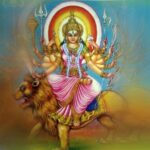
Durga Puja is the most famous reason to visit. The city transforms into an open-air art gallery with themed pandals, lighting and idols. Roads close in some areas, crowds are heavy, and hotels charge higher rates, so book early. Pandal hopping works best on weekday evenings or early mornings. Wear comfortable shoes and keep valuables secure. Public transport, especially the Metro, is more reliable than cabs during peak nights, but check special timetables.
Month-by-month snapshot
- October: Festival season, cooling weather, high demand.
- November: Pleasant weather, Kali Puja, film festival.
- December: Cool and dry, Christmas lights, Park Street festival.
- January: Cold by Kolkata standards, book fair and Gangasagar.
- February: Mild, Saraswati Puja, last good month before heat.
- March: Holi and warm days.
- April to May: Hot and humid; Poila Baisakh.
- June to September: Monsoon, cheaper hotels, indoor plans.
Pricing and crowds
Hotel prices usually rise during Durga Puja, Christmas and New Year, and fall in the monsoon. I could not verify current rates, so compare on a booking site close to your dates. Flights and trains get full around Puja; book as early as the schedule opens.
Weather facts worth knowing
Kolkata has a tropical climate. The cool season is short, so even January is mild compared with north India, though a foggy morning can feel chilly. Humidity is the main discomfort for most of the year, which is why many visitors say the experience of the city depends heavily on the month. The pre-monsoon storms of April and May can bring sudden wind and rain in the evening, so keep an eye on weather alerts if you are travelling by road. Cyclones in the Bay of Bengal sometimes affect the coast between May and November, and flights or ferries may be disrupted for a day or two; check news before you go.
Combining Kolkata with nearby trips
If you plan to add day trips, winter is the best window. Shantiniketan, Bishnupur, Digha and the Sundarbans are all easier and safer between November and February. Sundarbans boat tours in particular are best in winter when the weather is calmer. For a Durga Puja trip, keep your side trips to the days before the festival or after Dashami, since transport and hotels around pandals get stretched.
What to pack
- Light cotton clothes for most of the year, a light jacket for December and January.
- Comfortable walking shoes and sandals that can get wet.
- Umbrella or raincoat for June to September.
- Sunscreen, hat and water for April and May.
- Power bank and offline maps for crowded festival nights.
Best time by interest
If you want culture and festivals, choose Durga Puja or the weeks after it. For quiet sightseeing and photography, choose late November to January. For books and literature, plan around the Book Fair. If you are budget-minded and do not mind rain, try July or August. For a mix of nice weather and fewer crowds, pick February.
Final word
October to February is the best time to visit Kolkata overall. If you can plan only one trip, aim for the weeks just after Durga Puja or the cool months of December and January. Always confirm festival dates for the year you travel, and keep an indoor backup plan in case of rain.
Frequently Asked Questions (FAQ)
What is the best month to visit Kolkata?
November to January is usually the most comfortable. October is best for Durga Puja.
Is Kolkata too hot in summer?
April and May are hot and humid, so plan indoor breaks and sightsee early or late.
When is Durga Puja held?
Usually in September or October, with dates changing each year according to the lunar calendar.
Does it rain a lot in Kolkata?
Yes, from mid June to September the monsoon brings frequent heavy rain.
When is the Kolkata Book Fair?
Usually from late January to February; check the official announcement for exact dates.