
Amer Fort (also spelled Amber Fort) is a hilltop palace-fort just outside Jaipur, Rajasthan. Raja Man Singh I of the Kachwaha dynasty began building it in 1592, and later rulers expanded it over roughly 150 years until the capital moved to Jaipur in 1727. It is part of the UNESCO ‘Hill Forts of Rajasthan’ World Heritage Site, inscribed in 2013.
Here is the story of Amer Fort, from the early Meena and Kachwaha rulers to its famous palaces, plus honest practical tips for visitors.
Quick facts
| Detail | Information |
|---|---|
| Location | Amer, on the outskirts of Jaipur, Rajasthan (check a map app for current distance) |
| Dynasty | Kachwaha Rajputs |
| Construction began | 1592 under Raja Man Singh I |
| Capital shifted | To Jaipur in 1727 under Sawai Jai Singh II |
| Style | Rajput and Mughal blend, red sandstone and marble |
| UNESCO | Hill Forts of Rajasthan, inscribed 2013 |
| Famous parts | Ganesh Pol, Sheesh Mahal, Sukh Niwas, Diwan-i-Aam, Sila Devi Temple |
Before the fort: Meenas and early Kachwahas
The hills around Amer were first held by the Meena tribal chiefs. Over time, a Kachwaha Rajput ruler named Kakil Deo took control of the area and made Amer the capital of the Dhundhar region. From around the 11th century until 1727, the Kachwaha dynasty ruled from this site. Earlier fortifications and temples existed here, so Amer was already a lived-in stronghold before the grand palace we see today.
Man Singh I builds the palace (1592)
The present fort-palace is closely tied to Raja Man Singh I, one of the most important Rajput generals in the army of the Mughal emperor Akbar. Man Singh began building the palace in 1592, and the Man Singh Palace is generally said to have been completed around 1599.
The Kachwahas were close allies of the Mughals, and this relationship shaped Amer’s design. The fort combines the strong, practical fortress traditions of Rajasthan with the refined gardens, arches, and decoration seen in Mughal architecture.
Expansion under Jai Singh I and later rulers
Mirza Raja Jai Singh I, who ruled in the 17th century, expanded the complex. Over the next century and a half, various rulers added courtyards, halls, and gardens. This is why Amer feels layered, with different parts built in different periods but joined together into one palace.
The shift to Jaipur (1727)
By the early 18th century, the old hill capital was becoming too cramped for a growing court and city. In 1727, Sawai Jai Singh II established the planned city of Jaipur on the plains and moved the capital there. Amer was no longer the seat of government, but it remained a treasured ancestral palace and temple site.
What to see inside
Suraj Pol and Jaleb Chowk
Visitors usually enter through the Suraj Pol (Sun Gate) into the large courtyard known as Jaleb Chowk, where armies once assembled and returned in procession.
Sila Devi Temple
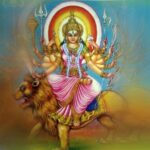
A small temple to Sila Devi, a form of the goddess Durga, stands near the entrance to the palace. Tradition links it with the Kachwahas’ victory over the Raja of Jessore in 1604. The temple remains an active place of worship. Sources note that animal sacrifice was once part of its rituals and ended in the 1980s.
Ganesh Pol
The Ganesh Pol is the three-level gateway that leads to the private royal apartments. It is covered with frescoes, mosaic work, and a depiction of Lord Ganesha above the entrance. Many people consider it the most photogenic part of the fort.
Diwan-i-Aam and Sheesh Mahal
The Diwan-i-Aam (Hall of Public Audience) has rows of pillars with elephant-shaped capitals, where the ruler met ordinary subjects. The Sheesh Mahal, the mirror palace, is a hall where thousands of tiny mirror pieces and coloured glass are set into the walls and ceiling so that even a few candles could fill the room with light.
Sukh Niwas
Sukh Niwas, the ‘hall of pleasure’, was cooled by water channels that ran through it. It is an example of how royal architects dealt with Rajasthan’s heat long before air-conditioning.
Jaigarh connection
Above Amer rises the Jaigarh Fort, linked to the palace by a passage that is said to have served as a wartime escape route. Whether the passage is open to visitors is a matter of current rules, so ask on site.
Maota Lake and the setting
Below the fort lies Maota Lake, with the Kesar Kyari garden. The view of the fort reflected in the lake is among the best-known images of Rajasthan. You can see the full silhouette from the road around the lake or from viewpoints on the hill.
Criticism and conservation
Like many popular monuments, Amer faces pressures from crowds, commercial activity, and heavy tourism. Critics have raised concerns about the treatment of elephants and about damage from past film shoots and over-commercialisation. Conservation teams work to protect the fragile mirror work and frescoes, which is one reason some rooms may be closed or restricted at times. Respect barriers and avoid touching painted walls.
UNESCO recognition (2013)
In 2013, six forts of Rajasthan, including Amer, were inscribed together as the Hill Forts of Rajasthan. The inscription recognised their use of the hills’ natural defences, their large-scale fortifications, and their role in the history of Rajput rule.
Visiting Amer Fort: practical tips
Timings, ticket prices, and the rules for light shows or special tours change from time to time. We could not confirm current prices, so please check the official Rajasthan Tourism or Rajasthan Archaeology and Museums department website before you go. Information last checked October 2026 in general terms.
- Go early. The fort opens in the morning and crowds build up from late morning, plus the summer heat can be harsh.
- Elephant rides to the upper gate have been criticised for animal welfare reasons. You can also walk up or take a jeep, and many travellers now choose these alternatives. Rules on elephant rides have been revised over the years, so check the latest position.
- Wear comfortable shoes. There are steps, ramps, and uneven stone surfaces.
- Hire an authorised guide if you want the stories behind the rooms. Agree on the price before you start.
- Allow around 2 to 3 hours. If you also visit Jaigarh Fort, set aside more time.
- Winter, from October to March, is the most pleasant season.
Amer is a short taxi, auto, or bus ride from the city of Jaipur, so you can easily include it in a one-day Jaipur itinerary with City Palace and Hawa Mahal.
Conclusion
Amer Fort is the best place to understand the early story of Jaipur’s royal family. It shows how Rajput kings used both power and artistry, how alliances with the Mughals shaped taste, and how a hill stronghold turned into a palace of mirrors and courtyards. Go early, go slowly, and look closely at the small details.
Frequently Asked Questions (FAQ)
Who built Amer Fort?
Raja Man Singh I of the Kachwaha dynasty began building it in 1592. Later rulers, including Jai Singh I, expanded it.
Why did the capital move from Amer to Jaipur?
Sawai Jai Singh II founded Jaipur in 1727 as a new planned capital on the plains, as Amer’s hilltop site had become cramped.
Is Amer Fort a UNESCO site?
Yes. It is part of the Hill Forts of Rajasthan, inscribed as a World Heritage Site in 2013.
What is the Sheesh Mahal at Amer Fort?
It is the mirror-work hall of the palace, decorated with thousands of tiny mirrors and coloured glass.
Is Amer Fort the same as Amber Fort?
Yes. Amer and Amber are two spellings of the same fort near Jaipur.