
During the nine nights of Navratri, the sound of drums and clapping fills neighbourhoods in Gujarat and in Gujarati communities from London to Houston. Two folk dances take centre stage: Garba and Dandiya Raas. People often mix them up because they are performed at the same events, yet they have different forms and moods. This guide explains each one, how they are traditionally danced and how a first-timer can join in.
The setting: Navratri
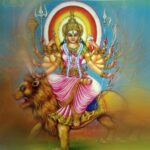
Navratri is a festival of nine nights devoted, in tradition, to the goddess Durga in her many forms. Gujarat is especially famous for its nightly dance gatherings. If you want the background on fasting and food, read our Navratri fasting rules and food list, and see how the festival ends in Dussehra. In eastern India, the same season is marked by Durga Puja.
What is Garba
Garba is a circular dance performed around a lamp, a clay pot with holes and a light inside (called a garbo) or an image of the goddess. The word is linked to garbha, meaning womb or inner light, and the circle is seen as a symbol of life, time and the cycle of existence. Dancers move in concentric rings, clapping in rhythm and turning slowly. Traditionally it was danced mostly by women, but today everyone joins.
Steps and style
- Three-clap Garba: a common basic pattern where you clap three times as you step and turn.
- Two-clap and Hinch variations: a gentler, swaying rhythm.
- Songs: devotional folk songs in praise of the goddess, now joined by modern remixes.
What is Dandiya Raas
Dandiya Raas uses a pair of decorated sticks. Partners or groups dance in lines or circles, striking their own sticks and those of others in time with the music. It has a faster, more playful beat than Garba. According to tradition, it recalls the mock fights between the goddess and the demon king Mahishasura, and it is also associated with the playful dances of Krishna and the gopis. Both stories belong to belief and folklore, and people tell them differently from region to region.
Basic moves
- Hold one stick in each hand.
- Step to the beat and strike your sticks together.
- Turn to your partner or neighbour and tap their sticks, right then left.
- Rotate positions in the circle and repeat.
Garba versus Dandiya: the main differences
- Props: Garba uses claps; Dandiya uses sticks.
- Pace: Garba is graceful and flowing; Dandiya is energetic.
- Timing: Many events begin with Garba, often around the aarti, and move to Dandiya later in the night.
What people wear
Women commonly wear chaniya choli, a colourful embroidered skirt and blouse with a dupatta, often decorated with mirror work. Men may wear kediyu (a short flared top) with dhoti-style trousers or a kurta. Bright colours, silver jewellery and light fabrics help with the dancing. Wear comfortable footwear or go barefoot, as some venues request, to respect the sacred setting.
Tips for first-timers
- Arrive early to watch the pattern before you join.
- Follow the person ahead of you, and keep the circle moving in the same direction as the group.
- Mind your sticks: strike on the beat and avoid swinging them wildly.
- Drink water and take breaks, since sessions can last for hours.
- Ask before taking photos of people, and respect the sacred corner where the goddess is placed.
Garba abroad
In the US, UK, Canada, Australia and the Gulf, community groups and temples organise Navratri events with live bands and recorded music. Tickets, age rules and dress codes vary, so check the organiser’s details. Many welcome newcomers and offer beginner lessons before the main nights. A warm greeting helps; see our guide to namaste and etiquette.
Frequently asked questions
Do I have to be Gujarati to join?
No. Garba and Dandiya are open and welcoming at most community events. Respectful participation is what matters.
Are Garba and Dandiya religious?
They are cultural dances with devotional roots. Many people enjoy them as a social festival, and many also treat them as an offering to the goddess.
What are the Dandiya sticks made of?
Traditionally wood, often painted or decorated. Lightweight sticks are easier for beginners.
Can children take part?
Yes. Many events have family sections and children’s sessions.
How many nights does it last?
Navratri has nine nights, and dance events are usually held on many of them, depending on the community.
Related reading: English section | Navratri fasting rules | Durga Puja explained